01 Apr 2024
Upskill your team with government funding
Do you want to grow the skills of your digital marketing team? The DMA has partnered with the Department for Education (DfE) to deliver government-funded Skills Bootcamps in Digital Marketing Strategy, and Data and Analytics.
24 Oct 2023
UK SMEs support pending reforms to UK data privacy laws
The DMA's latest report reveals strong business support for reforming UK data privacy laws, so urges UK Parliament to complete passage of the DPDI Bill without hesitation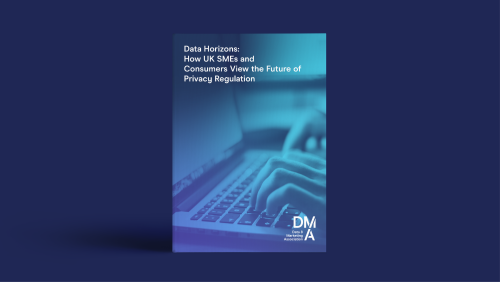
19 Apr 2024
DMA Councils' Town Hall: Content Strategy 2024
18 Apr 2024
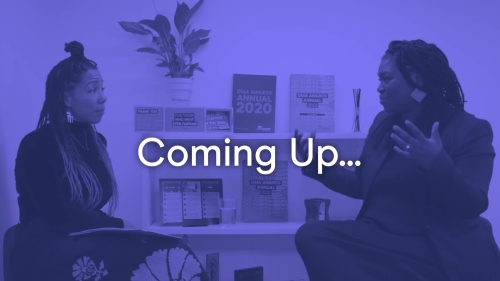
In conversation with the DMA Black Marketers Council: Michael Bristow
Natalie Eve Roper, Founder of Embrace, chats with marketing consultant Micahel Bristow about becoming an active and aware ally, the importance of sponsorship, and his belief in the change the Black Marketers Council can effect.
04 Apr 2024
In conversation with the DMA Black Marketers Council: Lionel Fenton
Natalie Eve Roper, Founder of Embrace, chats with Ford Pro's Lionel Fenton about joining the DMA's Black Marketers Council, the power of the Black Pound, and championing diversity within organisations.
27 Mar 2024
Pinterest: Future Trends Unveiled - Pinterest Predicts 2024 and Beyond
People use Pinterest to plan for the future — which means Pinterest has unique insight into what's going to be really big, really soon.
21 Mar 2024
In conversation with the DMA Black Marketers Council: Marie Feliho
Natalie Eve Roper, Founder of Embrace, connects with Marie Feliho, Director of Customer Engagement at Virgin Media O2 and Deputy Chair of the DMA's Black Marketers Council about her aspirations for the group and commitment to being a role model.